The MacMillansLochaber · Knapdale · GallowayClan MacMillan
MacMillan
Fig. 1The crest: a right and a left hand grasping a two-handed sword, rising from a wreath, within a strap and buckle bearing the motto.
A family name from the Gaelic, a crest of two hands and a sword, and a motto taken from Virgil.
The clan’s lands lay in Lochaber, Knapdale and Galloway. Its chief today is MacMillan of MacMillan and Knap, whose home is Finlaystone in Renfrewshire.
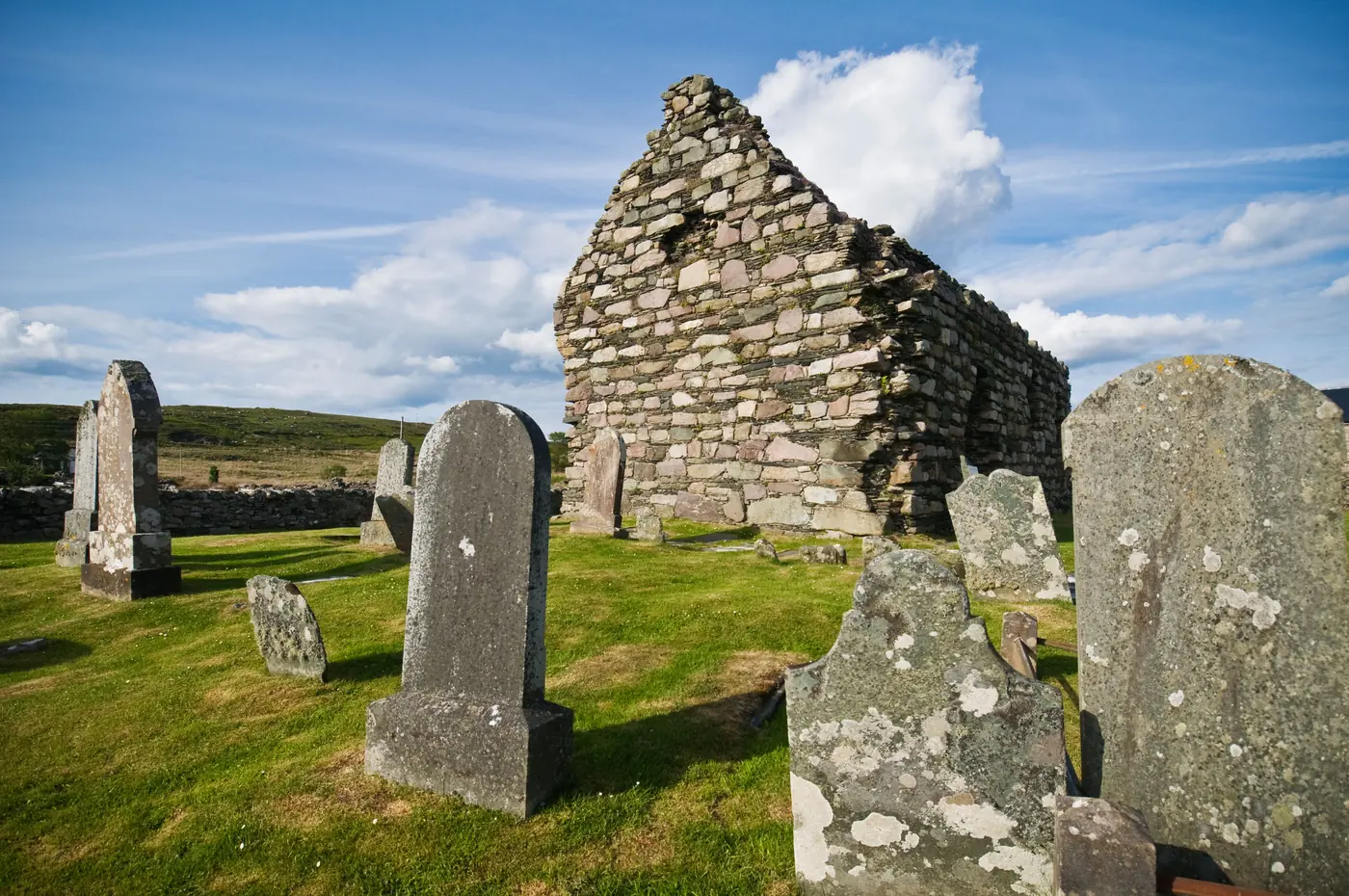
Plate IKilmory Knap chapel and its graveyard, Knapdale, Argyll. The MacMillans held Knapdale from 1360.
I · 1100s · 1263
The name
MacMillan comes from the Gaelic MacGhilleMhaoil, ‘son of the tonsured servant’. The tonsure was the shaved head of a monk, and the name reaches back to the early Celtic church that St Columba founded on Iona in the 6th century.
Clan tradition traces the line to Gilchrist, a tonsured son of Cormac, Bishop of Dunkeld in the early 1100s. The name is first written down in 1263, when Gillemor Macmolan sat on a jury in Lanarkshire.
II · 1500s · 1746
Lochaber and Loch Arkaig
The earliest clan lands lay on both sides of Loch Arkaig in Lochaber. The Lochaber MacMillans held Murlagan and the farms around it from the Camerons of Lochiel in return for service with the sword, and followed Lochiel from the 1500s through the Jacobite risings. At Culloden in 1746 they fought as a company of Lochiel’s regiment.
III · 1360 · 1470s · 15th century
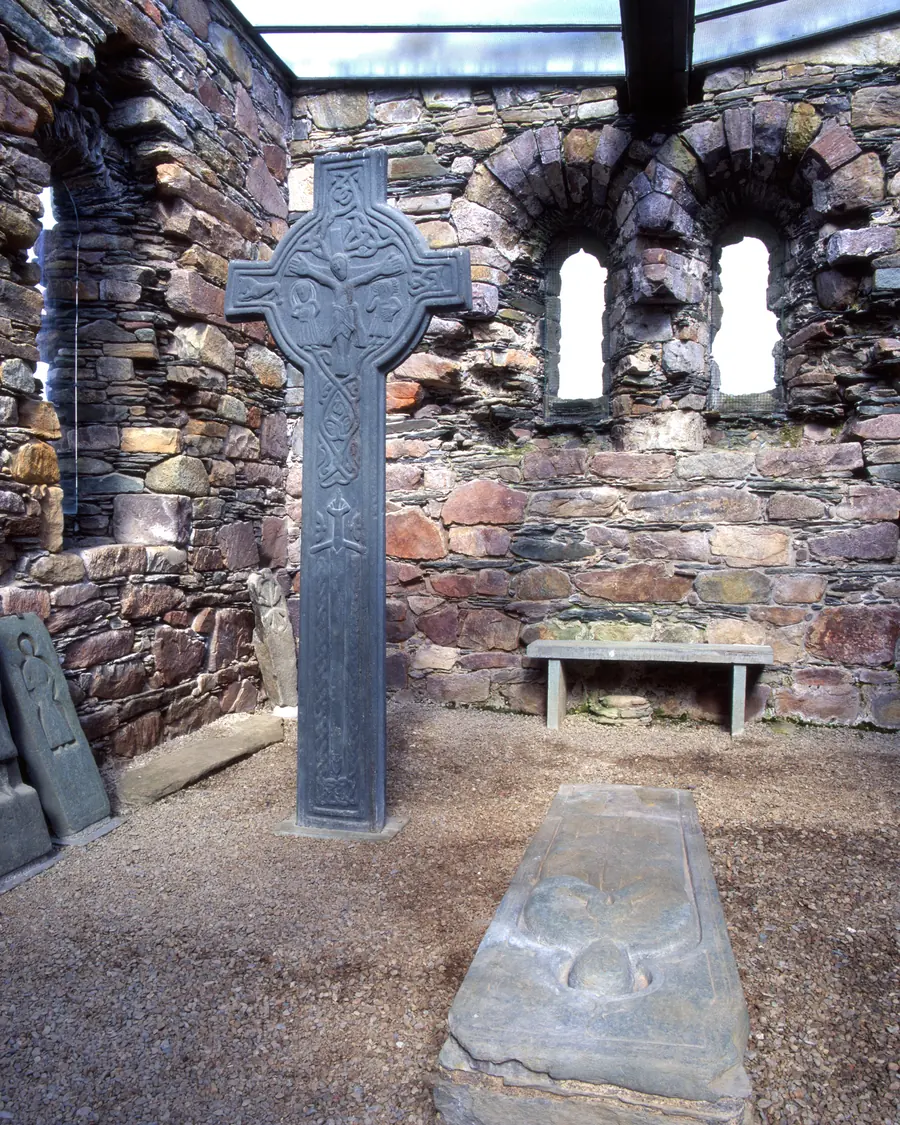
Fig. 2 · MacMillan’s Cross in Kilmory Knap chapel.
Knapdale and Kilmory Knap
In 1360 Malcolm Mor MacMillan received Knapdale from the Lord of the Isles. Tradition says the charter was carved into a rock at the Point of Knap.
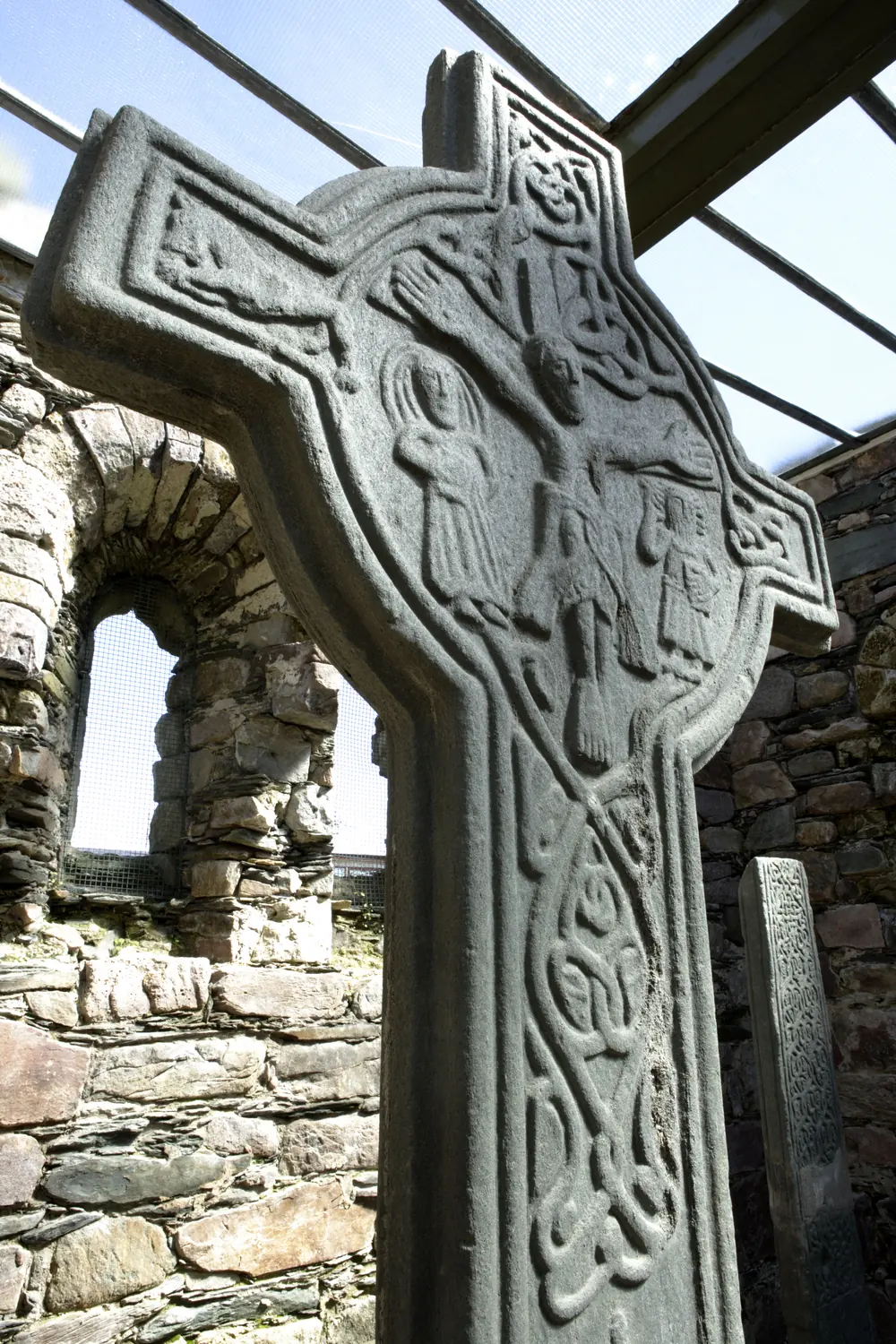
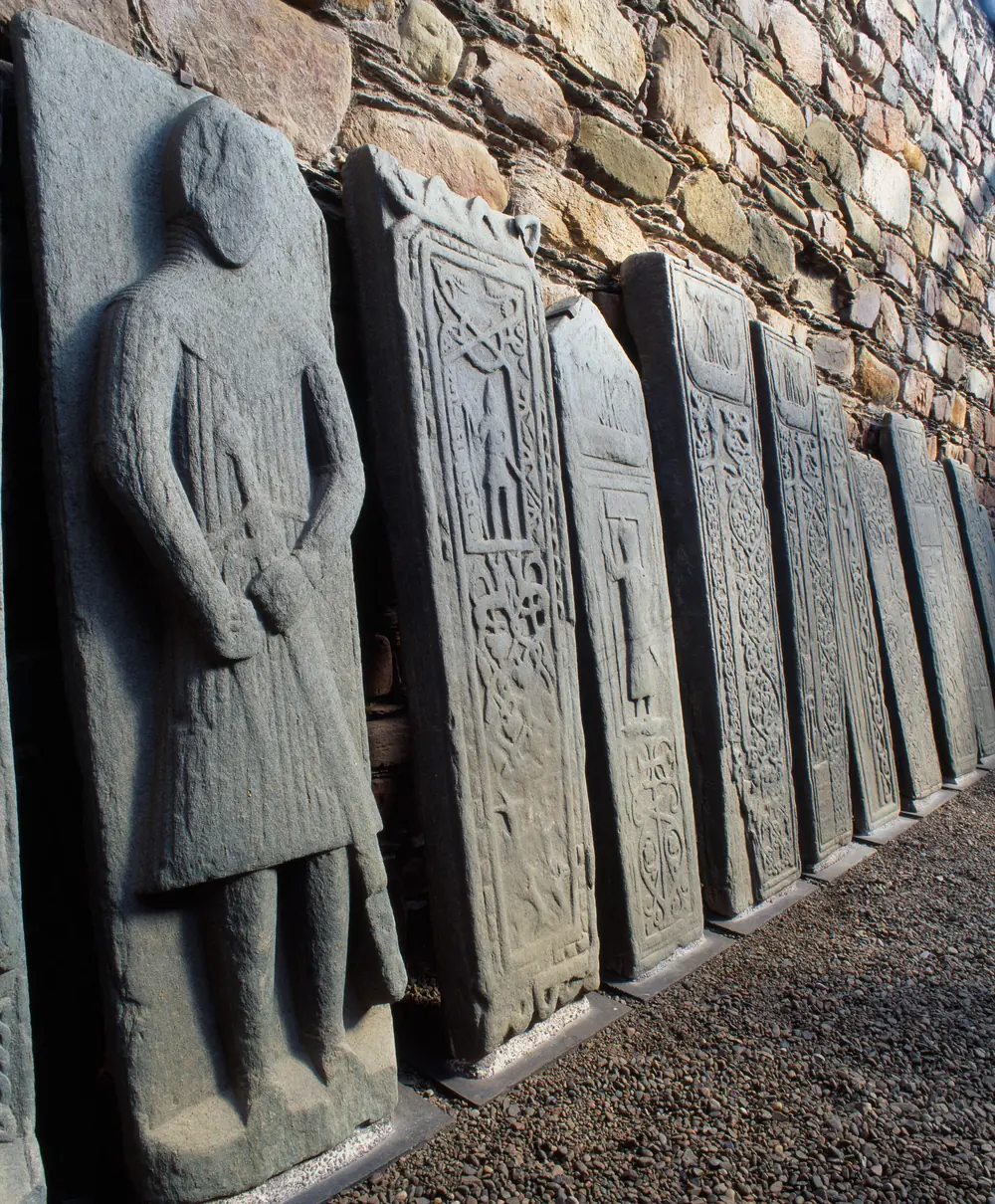
In the 1470s Alexander MacMillan held Castle Sween on Loch Sween for the Lord of the Isles, and built the round tower still called MacMillan’s Tower. At Kilmory Knap chapel stands the cross raised for him in the 15th century, nearly three metres tall. One face shows the Crucifixion, the other a huntsman and three hounds bringing down a stag. It is inscribed Haec est crux Alexandri Macmillan, ‘This is the cross of Alexander MacMillan’.
When the Lordship of the Isles fell in the early 1500s, Knapdale passed to the Campbells and the MacMillans became their tenants.
Plate IIThe head of MacMillan’s Cross: the Crucifixion face.
A second branch settled in Galloway in the south-west of Scotland, led by the MacMillans of Brockloch and later of the Holm of Dalquhairn. The Reverend John MacMillan of Balmaghie led the Covenanters there from 1706 until 1743, and Galloway Covenanters were long known as MacMillanites.
V · 1742 · 1952 · 1986
The chiefs
1742The Lord Lyon recognised Duncan MacMillan of Dunmore as the representative of the ancient family of MacMillan of Knapdale.
1952The Lord Lyon declared General Sir Gordon MacMillan hereditary Chief of Clan MacMillan.
1986His son, George MacMillan of MacMillan and Knap, succeeded as chief.
1991The Clan MacMillan International Centre opened at Finlaystone in Renfrewshire, the chief’s home.
Miseris succurrere disco.
I learn to succour the unfortunate
VI · Aeneid I.630
The motto
The words are Virgil’s. In the Aeneid, Book I, Dido, Queen of Carthage, welcomes the shipwrecked Trojans with the line Non ignara mali, miseris succurrere disco: ‘No stranger to trouble myself, I learn to help the unfortunate.’ Having known hardship, we learn to help others through it. The earliest known use as the MacMillan motto is on the signet ring of the Reverend John MacMillan of Balmaghie.
VII · Claidheamh mòr
The crest
A right hand and a left hand grasping a two-handed sword, the claymore, from the Gaelic claidheamh mòr, ‘great sword’. Tradition links the sword to a deed of Cormac, the clan’s early forebear. Clan members wear the crest inside a strap and buckle that carries the motto.
VIII · Dress · Hunting · Old
The tartans
The chief recognises three MacMillan tartans: Dress, Hunting and Old, also called Ancient. Each is woven in modern, ancient and weathered colours.
Plate IVFormal
Dress MacMillan
Red and gold. A bolt of it went to New York with a MacMillan family from Islay in 1874.
Red #C80000Gold #E8C000
When to wear it
Dress tartans are made for formal occasions. The MacMillan Dress is its own design rather than a recoloured clan tartan, and its popularity has grown in recent decades, especially in North America.
There is no fixed rule: hunting and other colourings are also worn to formal events.
Plate VOutdoor
Hunting MacMillan
Blue, black and green crossed with red and yellow lines. Introduced in the early 1890s by Donald MacMillan, a draper in Partick, Glasgow, and favoured by the chief’s family.
Blue #304080Green #008000Black #000000Red #D03030Yellow #F0C000
When to wear it
Hunting tartans use darker, quieter colours, first meant to blend into the landscape outdoors. The name comes from Victorian dress etiquette and has little to do with actual hunting.
The chief’s family prefers the Hunting MacMillan.
Plate VIEveryday
Old MacMillan
Green, red and yellow, nicknamed ‘the people’s choice’. It follows an 1840s print by R. R. McIan of a MacMillan clansman.
Green #006818Black #101010Red #A00048Yellow #E8C000
When to wear it
The most widely worn of the three in North America, and the one most people picture as the MacMillan tartan.
Wear it, or either of the others, to show you are a MacMillan. The chief says that is one of the main purposes of wearing tartan.
Each tartan is woven in modern colours (vivid dyes), ancient or old colours (softer, like vegetable dyes) and weathered colours (greys and browns). Colours shown are reference weaving shades; mills vary.
IX · Holly
The plant badge
Clansmen wore their plant badge on the bonnet. It had to be evergreen so it could be worn in winter, and for the MacMillans it is holly.